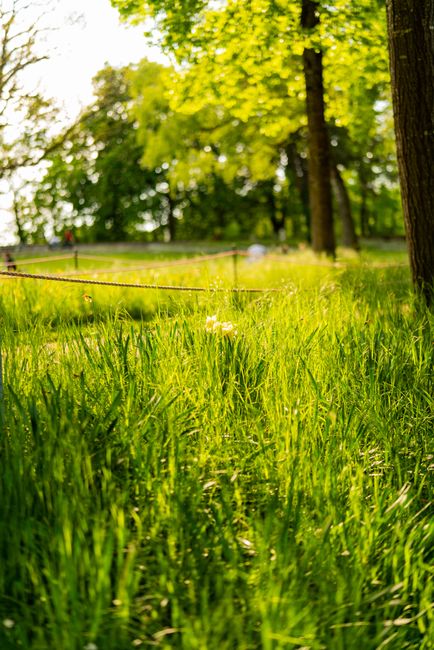
Osterley Park Seasonal Lawn Care by Heston Gardeners
When a lawn sits near Osterley Park, it has to cope with a bit of everything: shade from mature trees, foot traffic, damp mornings, sudden dry spells, and that awkward in-between weather London loves to throw at us. Osterley Park seasonal lawn care by Heston gardeners is really about giving grass the right treatment at the right time of year, so it stays healthy, resilient, and decent-looking instead of patchy and tired by late summer.
This guide explains what seasonal lawn care actually means, why it matters around Osterley and Heston, how the process works across the year, and when it makes sense to call in help. You will also find a practical checklist, a comparison table, and some straight-talking advice on common mistakes. Nothing fancy. Just useful, local, real-world guidance.
If you want a broader view of ongoing upkeep, it can help to look at garden maintenance alongside lawn care, because the two are often joined at the hip, to be fair.
Table of Contents
- Why Osterley Park seasonal lawn care by Heston gardeners Matters
- How Osterley Park seasonal lawn care by Heston gardeners Works
- Key Benefits and Practical Advantages
- Who This Is For and When It Makes Sense
- Step-by-Step Guidance
- Expert Tips for Better Results
- Common Mistakes to Avoid
- Tools, Resources and Recommendations
- Law, Compliance, Standards, or Best Practice
- Options, Methods, or Comparison Table
- Case Study or Real-World Example
- Practical Checklist
- Conclusion
- Frequently Asked Questions
Why Osterley Park seasonal lawn care by Heston gardeners Matters
Lawns in this part of west London are often more vulnerable than they look. You might have compacted soil from regular use, a strip of turf that dries out quickly in summer, or a shady corner that never quite recovers after winter. Seasonal care matters because grass does not grow in a straight line. Its needs change month by month, sometimes week by week.
Near Osterley Park, the local environment can add a few extra headaches. Tree cover can limit light. Nearby paving, paths, and edging can dry the soil unevenly. Heavy rain can leave hollows waterlogged while the raised edges stay thirsty. If you only mow and hope for the best, the lawn often tells the story by itself: thinning blades, moss, bare patches, or a spongy feel underfoot.
Seasonal lawn care is not just about appearance. It supports root health, drainage, recovery after heat or frost, and more even growth. And if you are trying to keep outdoor space welcoming for children, guests, or simply your own peace of mind, that consistency is worth a lot.
Expert summary: Good seasonal lawn care is less about doing more and more about doing the right things in the right order. Mow differently, feed differently, and repair differently depending on the time of year. That timing is the whole game.
How Osterley Park seasonal lawn care by Heston gardeners Works
The basic process is straightforward, but the detail matters. Heston gardeners working on seasonal lawns usually begin with an assessment: what kind of grass is present, how much sun the area gets, how often it is used, whether the ground compacts easily, and whether moss, weeds, or disease are already showing up. Once that picture is clear, care can be matched to the season.
Spring: recovery and restart
Spring is when many lawns need a reset after winter. That often means clearing debris, easing compaction, checking drainage, and mowing carefully rather than scalping the grass. If the turf is thin, overseeding can help fill in gaps before weeds move in. It is also the season for a gentle feed, though not every lawn needs the same treatment. Overfeeding can be as unhelpful as underfeeding.
Summer: stress management
Summer care is usually about reducing stress. Cutting height is often raised a little so the lawn keeps more moisture and protects the crown of the grass. Watering, where needed, should be deeper and less frequent rather than tiny daily sprinkles. That said, not every lawn needs constant watering; established turf can often cope better than people expect. You do not want to train the roots to stay lazy.
Autumn: repair and strengthen
Autumn is one of the most valuable windows of the year. This is when lawns often benefit from aeration, topdressing, scarifying if thatch is building up, and overseeding to thicken the sward before winter. It is also a good time to tidy the edges and reduce the amount of debris sitting on the grass. If leaves are left to mat down, the lawn can suffer for weeks. It is one of those annoying small things that turns into a bigger thing.
Winter: protection and restraint
Winter lawn care is mostly about avoiding damage. Mowing is reduced or stopped depending on growth, and walking on frost-covered grass should be avoided where possible. Saturated ground can compact very easily, especially in high-traffic spots. The best winter move is often restraint, plus light maintenance where conditions allow.
If the lawn is part of a wider garden refresh, garden clearance can help remove the clutter that gets in the way of proper seasonal work. That includes leaves, broken branches, and the odd forgotten bit of garden furniture that somehow ends up buried in the corner.
Key Benefits and Practical Advantages
Well-timed lawn care gives you more than a nice green surface. It improves the whole outdoor experience. You can feel the difference when you walk on it, and frankly you can see it from the window on a grey morning, which helps more than people admit.
- Healthier turf: Stronger roots, better resilience, and less thinning over time.
- Improved appearance: A more even colour, fewer rough patches, and cleaner edges.
- Better weed resistance: Dense grass naturally leaves fewer gaps for weeds to colonise.
- Lower risk of moss build-up: Particularly helpful in shaded or damp spots common around older landscapes.
- Better drainage and recovery: Aeration and soil care help the lawn bounce back after wet periods.
- Safer, more usable space: Less mud, fewer slippery patches, and a neater surface for everyday use.
There is also a time-saving benefit. Instead of playing catch-up every few months, seasonal care spreads the work in a way that is much easier to manage. That sounds simple because it is simple. The challenge is sticking to it.
Who This Is For and When It Makes Sense
This kind of lawn care suits a few different people. Homeowners with tired turf. Landlords trying to keep outdoor areas presentable without overinvesting. Families who use the garden hard in summer. And anyone whose lawn is in a mixed-light setting, which is very common around mature properties near Osterley Park.
It also makes sense if any of these sound familiar:
- The lawn turns patchy every summer.
- Moss keeps returning after rain.
- The ground feels hard in places and soft in others.
- You mow regularly, but the grass still looks weak.
- Leaves, shade, or tree roots are causing trouble.
- You want the garden to look cared for without constantly fussing over it.
If the trouble runs deeper than the grass itself, you may need related work too. For example, overgrown hedges can cast too much shade, and in those cases hedge trimming can make a surprising difference to lawn recovery. It is one of those fixes that feels almost too obvious after the fact.
Step-by-Step Guidance
Below is a practical sequence that works well for seasonal lawn care in this area. It is not a rigid rulebook. Weather, soil type, and lawn condition always matter. But this is a solid place to start.
- Inspect the lawn properly. Look for thin areas, moss, weeds, bare patches, worm casts, puddling, or that tell-tale spongy feel underfoot.
- Clear debris and surface clutter. Leaves, twigs, and broken material stop light and airflow reaching the grass.
- Mow at the right height. Do not take too much off in one go. As a rule, removing a little at a time is kinder to the turf.
- Aerate compacted areas. This helps water and air move through the soil, especially where the lawn has seen regular use.
- Scarify if thatch is building. A thick layer of dead material can suffocate growth and encourage moss.
- Topdress and overseed where needed. Use this to improve texture and fill thin patches, especially after repair work.
- Feed cautiously and seasonally. Match feeding to the lawn's needs rather than applying product on autopilot.
- Water intelligently. Deep watering is usually more effective than frequent light sprinkling.
- Edge and tidy. Clean edges make even a small lawn look far more intentional.
- Review progress after a few weeks. Lawns often respond gradually, not instantly. Give it time.
For lawns that need a more hands-off solution after a long spell of neglect, pairing seasonal treatment with lawn care support is often the simplest route. If the turf is being cut too often or not often enough, lawn mowing can also be folded into the plan so the growth pattern stays consistent.
Expert Tips for Better Results
Here is where the small improvements really add up. Nothing dramatic. Just the kind of practical adjustments that stop a lawn from sliding backwards.
- Cut less in dry weather. If grass is under stress, a shorter cut can expose soil and speed up drying.
- Do not mow wet grass if you can help it. It clumps, tears, and leaves an untidy finish.
- Watch the shade pattern. A lawn near trees may need a different routine from the sunnier part of the same garden.
- Keep an eye on the soil, not just the grass. Compaction is often the hidden problem.
- Use the seasons to your advantage. Autumn repair work can be more effective than trying to force a fix in midsummer heat.
- Edge regularly. Honestly, neat edges make the whole space feel looked after. It is a small win, but a real one.
A practical tip from experience: after a heavy leaf fall, do a quick sweep sooner rather than later. Leaving wet leaves on turf for too long can smother it, and once that happens you are no longer maintaining the lawn; you are rescuing it.
Common Mistakes to Avoid
Most lawn problems are not mysterious. They are usually the result of a few repeated habits. The good news is that they are fixable.
- Cutting too short: This weakens the grass and invites weeds, stress, and browning.
- Using the same routine all year: Winter and summer should not be treated the same way.
- Overwatering: It can encourage shallow roots and create soggy conditions.
- Ignoring compacted soil: If air and water cannot move through the ground, the grass struggles.
- Leaving moss to spread unchecked: Moss is often a symptom, not the root cause.
- Forgetting neighbouring plants or trees: Shade and root competition can quietly dominate the lawn.
- Overfeeding: More fertiliser is not automatically better. Sometimes it just means faster, weaker growth.
One of the most common mistakes around older gardens is assuming all bare patches are caused by lack of seed. Sometimes the issue is drainage, sometimes shade, sometimes foot traffic. If you only chase the symptom, the lawn may look better for a short while, then backslide. Bit frustrating, that.
Tools, Resources and Recommendations
You do not need a shed full of specialist kit to maintain a healthy lawn, but a few reliable tools make seasonal work much easier.
| Tool or resource | Best use | Practical note |
|---|---|---|
| Adjustable mower | Seasonal cutting at different heights | Useful for avoiding scalp marks and stress during dry spells |
| Leaf rake or blower | Removing debris before it smothers grass | Especially helpful in autumn and after windy days |
| Lawn aerator | Relieving compaction | Particularly useful in high-use areas |
| Scarifier | Reducing thatch and moss build-up | Best used carefully, not aggressively on weak turf |
| Spreader | Applying seed or feed evenly | Helps avoid patchy results |
| Soil improver or topdressing | Supporting recovery and levelling | Useful where the surface is uneven or tired |
For larger gardens or lawns that need a more integrated refresh, landscape gardening can be the right next step, especially if you are also changing beds, paths, or borders. If the whole outdoor space feels tired rather than just the grass, landscaping may give you a cleaner long-term result.
And if you are comparing service options, it is sensible to check pricing and quotes so you can understand what is included before any work begins. That clarity matters more than a flashy pitch.
Law, Compliance, Standards, or Best Practice
Lawn care is not heavily regulated in the way some trades are, but there are still important standards of care to follow. A professional service should work safely, handle equipment responsibly, and avoid unnecessary damage to neighbouring property or planted areas.
In practical terms, best practice usually means:
- using equipment in a safe, controlled way;
- managing waste responsibly, including grass cuttings and garden debris;
- avoiding pesticide or herbicide use unless it is appropriate and lawful for the setting;
- being cautious around ponds, patios, and boundaries;
- protecting the client's property, surfaces, and planting beds;
- working with clear communication about the scope of the job.
If a gardener is working on a larger site or near busy access points, safety should be part of the conversation from the outset. It is sensible to ask about health and safety procedures and insurance and safety. Those pages are worth checking because they help set expectations before any tools are even unloaded.
Where green waste is involved, responsible disposal or recycling practices are also a good sign. Many households are keen to keep things tidy without adding unnecessary waste, and that fits neatly with recycling and sustainability values.
Options, Methods, or Comparison Table
Not every lawn needs the same level of intervention. Sometimes a simple seasonal tidy is enough. Sometimes a more structured treatment plan is better. Here is a practical comparison.
| Approach | Best for | Pros | Trade-offs |
|---|---|---|---|
| Basic seasonal mowing and tidy-up | Fairly healthy lawns with light maintenance needs | Cost-effective, simple, quick to keep on top of | Won't solve deeper issues like compaction or heavy moss |
| Seasonal treatment plan | Lawns with mixed issues across the year | More balanced, better long-term results | Needs proper timing and a bit more planning |
| Renovation-style lawn recovery | Patchy, thin, or neglected turf | Targets root causes, improves recovery potential | Can take longer and may require temporary disruption |
If the lawn sits near a patio or hard surface, it can be worth pairing turf work with patio cleaning. Clean edges and clean paving make the whole garden feel more coherent. Small thing, maybe, but it changes the way the space reads.
Case Study or Real-World Example
Imagine a typical semi-shaded garden near Osterley Park with a lawn that gets regular family use. The owner mows often enough, but the grass still looks tired by midsummer. There are thin patches near the fence, moss under the trees, and a soft dip where rain tends to sit for a day or two after a shower.
A sensible seasonal plan would start in early spring with a careful cut, debris removal, and a check for compaction. By late spring, the thin areas could be overseeded, and the mower height adjusted so the lawn is not being stressed by every cut. In autumn, the focus would shift to aeration, light scarification, and topdressing around the worst spots. If the trees are crowding the light, a bit of tree surgery or selective pruning may improve conditions more than another round of lawn feed ever could. Sometimes the grass is not the whole problem.
What usually happens next? The lawn does not turn into bowling green turf overnight. But the patchiness improves, the surface feels firmer, and the owner stops fighting the same issues every month. That is a real win. Slow and steady. Boring, maybe, but effective.
Practical Checklist
Use this before and during each season to keep the lawn on track.
- Check whether the lawn is in sun, shade, or mixed light.
- Remove leaves, twigs, and surface debris.
- Adjust mowing height for the season.
- Inspect for compaction, puddling, moss, or thin patches.
- Aerate where the ground feels hard or worn.
- Scarify only when thatch is genuinely building up.
- Overseed patchy areas at the right time.
- Feed lightly and seasonally, not constantly.
- Water deeply and only when needed.
- Keep edges neat and check nearby hedges or trees for shade issues.
- Review progress after a few weeks, not after two days.
If you are preparing for a full garden refresh, services like gardening services can help connect the lawn work with the rest of the outdoor space, instead of treating everything in little disconnected bits.
Conclusion
Osterley Park seasonal lawn care by Heston gardeners is really about timing, observation, and restraint. You do the right thing for the lawn in spring, shift the focus in summer, repair and strengthen in autumn, then protect it through winter. Simple idea, yes. But when it is done properly, the result is a lawn that looks better and behaves better all year round.
That is the real value: less chasing problems, more steady progress. Less guesswork. More confidence when you step outside and see the space as it should be.
Get a free quote today and see how much you can save.
If you want a service that fits the local conditions around Osterley and Heston, with practical advice rather than empty promises, the next step is straightforward. Reach out when you are ready, and build a lawn plan that actually suits the garden you have, not the one in a brochure.
Frequently Asked Questions
What does seasonal lawn care actually include?
It usually includes mowing at the right height, debris removal, aeration, scarifying where needed, overseeding, feeding, and adjusting watering and maintenance to suit the time of year. The exact mix depends on the lawn's condition.
How often should a lawn near Osterley Park be mowed?
That depends on growth rate, weather, and how fast the grass is recovering. In active growing periods, weekly mowing is common, but the key is not frequency alone. Cutting too much at once can do more harm than a slightly delayed mow.
Why do shaded lawns need different care?
Shaded lawns usually grow more slowly, dry more unevenly, and are more prone to moss. They often need gentler cutting, better airflow, and more attention to nearby trees or hedges that block light.
Is autumn really the best time to repair a lawn?
For many lawns, yes. Autumn often gives grass a strong recovery window without the harsh heat of midsummer. It is a good time for overseeding, aeration, and general strengthening before winter.
Can I fix moss without replacing the whole lawn?
Often, yes. But moss is usually a symptom of something else, such as shade, compaction, poor drainage, or low nutrient levels. Deal with the underlying issue and the moss problem is much less likely to return.
What is the biggest mistake people make with lawn care?
Cutting too short is probably the most common one. It weakens the grass, exposes the soil, and makes the lawn more vulnerable to dryness and weeds. A steady, measured cut is usually far better.
Do I need professional help for seasonal lawn care?
Not always. A healthy lawn can be maintained with decent routine care. But if the turf is patchy, compacted, shaded, or neglected, professional help can save time and improve the outcome. Sometimes it is just the easier route.
How do I know if my lawn needs aeration?
If water pools after rain, the soil feels hard, the grass looks stressed despite regular care, or the lawn gets a lot of foot traffic, aeration is often worth considering. A small test patch can reveal a lot.
What should I do before the first cut of spring?
Clear debris, check the ground is not too wet, and set the mower high enough that you are not removing too much grass at once. The first cut should be a tidy reset, not a haircut gone wrong.
Can lawn care be combined with other garden work?
Absolutely. In fact, it often works better that way. If hedges are shading the grass, or if paths and borders need attention too, combining services can give a more balanced result and save a fair bit of back-and-forth.
How do I choose between basic maintenance and a full renovation?
If the lawn is mostly healthy but just needs regular upkeep, basic maintenance may be enough. If it is thin, uneven, mossy, or patchy in several places, a more structured renovation approach is usually better. The condition of the turf should guide the decision.
Where can I get more help or a quote?
You can start by looking at the service information and making contact through the website when you are ready. A proper quote should reflect the lawn's condition, the season, and the work actually needed rather than a one-size-fits-all guess.
A good lawn rarely becomes great by accident. It becomes great because someone keeps showing up for it, season after season, with a bit of patience and the right timing.