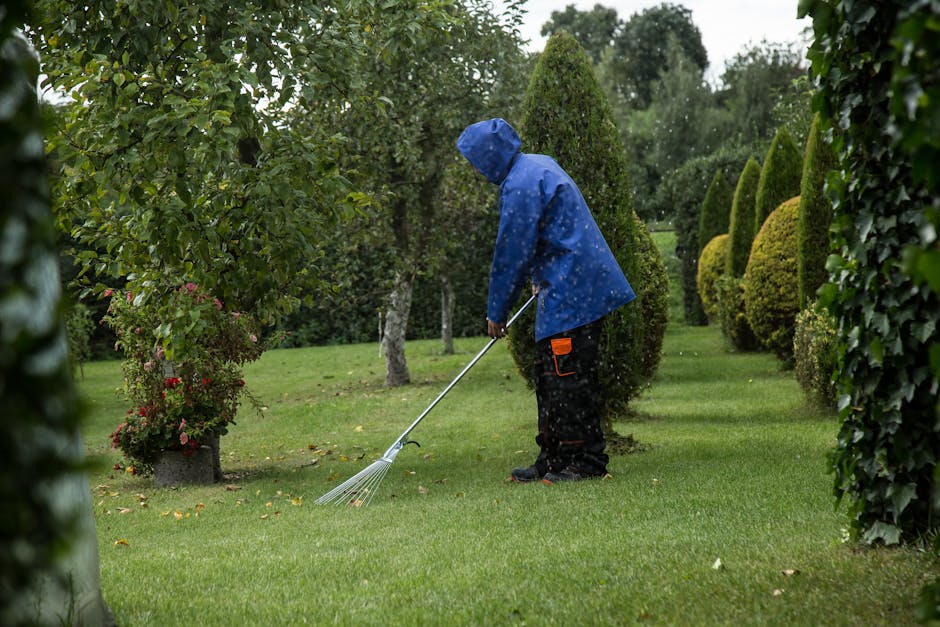
Real cost of Heston gardeners TW5 lawn care: what you actually pay for, and why
If you have ever looked at lawn care and thought, "How much should this really cost in TW5?", you are not alone. The real cost of Heston gardeners TW5 lawn care is not just about cutting grass. It is about the size of your lawn, how often it needs attention, whether weeds or moss have taken hold, and how much work is needed to get the lawn back into shape. In Heston, gardens can be wonderfully varied too - from neat front lawns to larger back gardens with shade, pet wear, or patchy soil. That means pricing can shift more than people expect.
This guide breaks down what affects the cost, how lawn care is usually priced, what good value looks like, and when a simple mow is enough versus when a proper treatment plan makes more sense. If you want a healthier lawn and fewer surprises on the bill, this is the place to start. Let's make it plain, not mysterious.
Why Real cost of Heston gardeners TW5 lawn care Matters
The price matters because lawn care is one of those services where the cheapest option is not always the best value. A quick mow can keep things tidy for a week or two, but if your lawn is thin, weedy, compacted, or shaded by trees, you may need more than a cosmetic tidy-up. That is where the real cost becomes useful: it helps you compare simple maintenance with proper lawn improvement.
In practical terms, many homeowners in Heston are not asking for a show garden. They want a lawn that looks clean, survives the weather, and does not become a muddy mess after a rainy spell. Fair enough. A patchy lawn can quickly affect the whole feel of the garden, especially when you are trying to keep the rest of the space smart and usable. If the lawn is the first thing you see from the kitchen window, you notice every rough patch.
There is also a planning angle. Once you understand what drives the price, you can budget properly and choose between one-off help and ongoing maintenance. That matters even more if you are already investing in regular garden maintenance or looking to combine mowing with edging, feeding, or weed control. The cost of each visit is only part of the story; the bigger question is how much improvement you get for the money.
Key takeaway: the real cost is not only the invoice amount. It is the combination of labour, lawn condition, visit frequency, and whether the work actually moves your lawn forward instead of just trimming it back to square one.
How Real cost of Heston gardeners TW5 lawn care Works
Lawn care pricing usually starts with the basics: lawn size, access, and the type of work required. A simple mow is quicker than a visit that includes scarifying, aeration, feeding, edging, and weed treatment. If the lawn is awkward to reach through side access, has steps, or sits behind heavy planting, the time on site increases. That affects the total. Nothing dramatic there, just ordinary labour maths.
In many cases, lawn care is divided into two broad categories:
- Routine maintenance - mowing, edging, light tidy-up, and basic surface care.
- Treatment and recovery - moss removal, weed control, feeding, aeration, overseeding, and restoration work.
One-off jobs usually cost more per visit than planned maintenance because the gardener has to assess the lawn, travel to the job, and handle whatever condition they find on arrival. A lawn that has grown long after a holiday is not the same job as a fortnightly trim. To be fair, that is obvious once you see it from the gardener's side.
For example, if a small front lawn only needs mowing, the cost should stay on the lower end of the scale. If the lawn has compacted soil, bald patches, and moss creeping in from the damp side of the garden, the work becomes more technical. At that point, the job may involve a wider service such as lawn care rather than mowing alone, which is often a better long-term decision.
If you want the lawn to improve over time, not just look briefly neat, it helps to think in stages. The first visit may clean things up. The next one may restore structure. Later visits can maintain the result. That is how the real cost becomes sensible instead of random.
Key Benefits and Practical Advantages
Good lawn care pays off in ways you can see quickly and feel over time. The obvious benefit is appearance, of course. A trimmed, even lawn makes a garden look cared for. But the deeper value is in resilience, weed resistance, and how usable the space becomes through the seasons.
- Cleaner appearance: edging and regular mowing make the whole garden look sharper.
- Healthier turf: feeding, aeration, and consistent care support stronger grass growth.
- Less weed spread: a denser lawn naturally leaves fewer gaps for weeds to take over.
- Better drainage and recovery: aeration can help soil breathe after heavy rain or trampling.
- Lower stress for you: fewer weekends lost to an underpowered mower and a half-finished job.
There is a quieter benefit too: confidence. You know the lawn will not spiral into a mini jungle every time the weather changes. And around TW5, where gardens can swing from bone-dry to soggy in what feels like no time at all, that stability matters. If your garden also includes hedges, borders, or shaded corners, a healthier lawn supports the rest of the layout instead of fighting it.
Some homeowners also pair lawn care with specialist jobs like hedge trimming in Heston or even patio cleaning so the whole outdoor space feels finished rather than pieced together. That can be more cost-effective than doing everything separately at different times of year. The garden starts working as one space again. Nice when that happens.
Who This Is For and When It Makes Sense
This topic matters to a few different types of people, and the pricing question changes depending on which one you are.
- Busy homeowners who want the garden kept neat without losing weekends to mowing.
- Landlords and letting agents who need presentation, reliability, and predictable costs.
- Families who want a usable lawn for play, seating, or simple day-to-day life.
- Older residents or anyone avoiding heavy garden work who need safe, regular help.
- People returning a neglected garden to shape after months of growth, weeds, or weather damage.
It also makes sense if your lawn is not the sort of thing you can solve with a quick Sunday mow. Maybe it is uneven, maybe it keeps drying out, or maybe it has been choked by weeds after a damp winter. In those cases, you are not really buying "cut grass." You are buying time, experience, and a better result than guesswork.
If you are starting from a neglected state, it can help to read a broader guide like neglected garden makeover tips. Sometimes the lawn is only one piece of a bigger reset. And when that is the case, the cost is better judged as part of a restoration plan, not as an isolated mowing fee.
Step-by-Step Guidance
If you are trying to estimate the real cost, use a simple process. It avoids overpaying and helps you compare quotes properly.
- Measure the lawn area roughly. You do not need laser precision. A fair estimate is enough to understand whether the job is small, medium, or large.
- Check the condition. Is it just overgrown, or is it patchy, mossy, and full of weeds too?
- Decide what result you want. A neat cut, or a lawn that gets better over time?
- List access issues. Narrow side passages, no rear gate access, steep steps, and water features can all affect labour.
- Ask what is included. Mowing alone is not the same as mowing, edging, clipping removal, and feed application.
- Compare like for like. Two quotes can look similar until you notice one includes a better finish, waste removal, or extra care around borders.
Here is a practical way to think about it: if the lawn is in decent shape, you may only need routine visits. If it is tired, uneven, or full of bare soil, you should ask about treatment work as well. That can include aeration, overseeding, and seasonal feeding. The initial spend may be higher, but the lawn often becomes cheaper to maintain later because you are fixing the underlying issue rather than endlessly trimming the symptoms. Bit of a mouthful, but true.
If you are comparing broader garden help too, the pricing and quotes page is a sensible starting point because it usually helps clarify what is included before you book. And if you prefer a more general service overview, gardening services can help you see how lawn care sits alongside other outdoor work.
Expert Tips for Better Results
In our experience, the best lawn care results come from consistency rather than dramatic interventions. A lawn that gets a sensible amount of attention through the year often costs less than one that is ignored until it becomes a rescue job.
Keep the mowing height sensible
Cutting too short can stress grass, especially during dry spells. A slightly higher cut can keep the lawn greener and reduce the risk of scorching. People often chase that golf-green look and then wonder why the grass sulks. It happens.
Feed at the right moments
Feeding can improve colour and strength, but timing matters. Heavy feeding at the wrong time may encourage weak growth or create extra mowing work. The aim is a balanced lawn, not a fast-growing one that needs constant haircutting.
Watch the shade and moisture pattern
Many Heston gardens have corners that never quite dry out, or shaded strips where moss loves to move in. If that sounds familiar, the problem may not be the gardener at all. It may be the site conditions. In those areas, advice from broader guides such as shaded garden ideas or even ground cover ideas can help you rethink where grass is realistically the best choice.
Deal with weeds early
Let weeds settle and they become more expensive to manage. A small patch is manageable. A lawn full of dandelion, clover, and creeping invaders becomes a different conversation entirely. If weeds are already an issue, a guide like weed control tips can be useful before the damage spreads.
Think beyond the lawn
Sometimes the best way to make lawn care cheaper is to reduce the amount of lawn that has to be managed. Seating areas, borders, and durable planting can lower maintenance without making the space feel smaller. If you are considering a more relaxed garden layout, you might also enjoy backyard seating ideas or low-upkeep garden ideas.
Common Mistakes to Avoid
A few simple mistakes can push the cost up or flatten the results. Honestly, they are easy to make.
- Choosing only by headline price. A cheap mow that leaves the lawn ragged or clippings everywhere is not great value.
- Ignoring access details. If a gardener arrives expecting easy rear access and finds a narrow side route instead, the job becomes slower and sometimes more expensive.
- Assuming mowing fixes everything. It does not. Moss, compaction, and poor drainage need extra care.
- Waiting too long between visits. Overgrown grass takes longer to cut and may need more than one pass.
- Not asking what the service includes. Edging, debris removal, and waste handling can change the real price.
- Forgetting seasonal needs. Spring and autumn bring different issues. A winter-prepared lawn is not the same as a summer-healthy one. If that matters to you, winter garden care tips are worth a look.
One more thing: if the garden has ivy, heavy borders, or overhanging growth, the lawn may be suffering from competition for light and moisture. In that case, the fix may begin elsewhere. A guide such as how to remove ivy can be more relevant than another mow. Strange but true.
Tools, Resources and Recommendations
Good lawn care is easier when the right tools are used and the schedule is realistic. If you are hiring help, you do not need to buy the equipment yourself, but it helps to know what professional work may involve.
- Mower: for the main cut, matched to the lawn size and finish required.
- Edger or trimmer: to keep borders, paths, and fence lines tidy.
- Aerator: useful where the soil is compacted and water sits on the surface.
- Scarifier: helps remove thatch and some moss build-up.
- Spreaders and feed tools: for consistent treatment application.
- Rake and collection gear: still useful for leaf build-up and that final clean finish.
For homeowners who like to understand the bigger picture, must-have garden tools is a useful companion read. And if you are bringing the whole outdoor area back to life, about the team can help you get a feel for the people behind the work.
There are also sensible support pages to check before booking any paid garden work. If you want to understand how payment is handled, payment and security is worth reading. If you are the cautious type - and fair enough, many people are - insurance and safety gives extra reassurance around risk and responsibility.
Law, Compliance, Standards, or Best Practice
For lawn care, there is usually no dramatic legal complexity, but there are still sensible standards and duties to keep in mind. A professional gardening service should work safely, handle equipment responsibly, and manage waste properly. That means clear communication, awareness of access hazards, and care around surfaces, pets, children, and neighbouring property.
If chemicals are used for weed or moss treatment, they should be applied carefully and in line with the product guidance and safe working practices. That is less about jargon and more about common sense, really. Good providers should be able to explain what they are doing, why they are doing it, and what you should do after the visit - for example, whether to keep pets off the grass for a while or avoid watering immediately.
It is also wise to look for clarity in service terms. The terms and conditions page can help set expectations about scope, cancellation, and what happens if weather interrupts a visit. Likewise, complaints procedure matters because a trustworthy business should not be awkward when something needs fixing.
Accessibility and privacy also matter more than people sometimes realise. If you are sharing access notes, gate codes, or timing preferences, it is worth knowing how information is handled. For that, the privacy policy, accessibility statement, and cookie policy help round out the trust picture. If you are looking for a company with stronger accountability, those pages are worth a quick glance.
For larger or more demanding gardens, lawn care may also intersect with other services like landscaping, tree surgery, or fencing. Overhanging branches, poor light, broken boundaries, and sloping ground can all influence how much work the lawn needs. It is all connected, a bit annoyingly sometimes.
Options, Methods, or Comparison Table
Here is a simple comparison to help you think about value, not just price.
| Option | Best for | Typical effort | Value note |
|---|---|---|---|
| Basic mowing only | Small, tidy lawns | Low | Lowest upfront cost, but limited improvement |
| Mowing with edging and tidy-up | Most domestic gardens | Low to medium | Often the best balance of appearance and price |
| Routine lawn care plan | Lawns that need consistency | Medium | Usually better value over time than repeated rescue jobs |
| Recovery treatment | Patchy, mossy, compacted lawns | Medium to high | More expensive initially, but often necessary if the lawn is struggling |
The real decision is not "cheap or expensive." It is "what result do I need, and how much labour will it take to get there?" That is the question that keeps the budget honest.
Case Study or Real-World Example
Picture a typical Heston back garden in early spring. The lawn has been left through winter, the edges are fuzzy, a few weeds have appeared near the path, and the shady end near the fence looks thinner than the rest. On paper, the homeowner wants "just a mow." In reality, a proper visit may involve mowing, edging, clearing debris, and a quick check on drainage and moss pressure.
Now compare that with a second garden nearby. Smaller footprint, regular fortnightly care, no major weed issues, good access, and a neat border system. That lawn will usually be quicker to maintain and cheaper over the year because the gardener is not spending time undoing avoidable problems.
That contrast is where the real cost becomes obvious. The first garden may cost more because it needs a restart. The second one may look simple, but its low cost comes from consistency. You can almost hear the difference - one job is a tidy purr, the other is a bit more of a rescue mission.
For homeowners in the first situation, a broader reset often helps. That may mean combining lawn work with help from garden maintenance services or planning a staged approach that starts with the worst areas first. For the second homeowner, it is about keeping the good routine going. Plain and simple.
Practical Checklist
Use this checklist before requesting quotes or booking lawn care.
- Measure or estimate the lawn size.
- Check whether the grass is simply long or actually unhealthy.
- Note shade, drainage, and compaction issues.
- Identify access problems such as narrow gates or steps.
- Decide whether you want mowing only or a fuller lawn treatment.
- Ask what is included in the price: edging, clipping removal, feed, and waste handling.
- Think about frequency: one-off, monthly, or seasonal care.
- Look at related work the lawn may depend on, such as hedge trimming or tree pruning.
- Review service terms, safety, and payment details before confirming.
- Choose the provider that gives you the clearest explanation, not just the lowest figure.
If you want the lawn to stop being a recurring worry, it helps to treat this checklist seriously. It takes five minutes, maybe ten. Saves a lot of guessing later.
Conclusion
The real cost of Heston gardeners TW5 lawn care comes down to more than cutting grass. It reflects the lawn's size, condition, access, treatment needs, and how often the work is done. A tidy lawn that stays healthy through the seasons usually costs less in the long run than a neglected one that keeps needing rescue. That is the part many people miss at first.
If you want value, look for clarity. Ask what is included, how the lawn will be improved, and whether the quote is for a one-off visit or an ongoing plan. The best lawn care is not flashy. It is consistent, practical, and suited to the garden you actually have.
Get a free quote today and see how much you can save.
And if you are still weighing things up, that is perfectly fine. A well-kept lawn is one of those quiet wins that makes the whole garden feel easier to live with. Bit by bit, it all adds up.
Frequently Asked Questions
How much does lawn care usually cost in Heston TW5?
The cost depends on lawn size, condition, and the type of work needed. Basic mowing is usually cheaper than treatment-based lawn care. A well-kept lawn with regular visits typically costs less overall than a neglected one that needs recovery work.
What is included in a lawn care visit?
That varies by provider, but it may include mowing, edging, clipping removal, feeding, weed control, aeration, or moss treatment. Always check the scope before booking so you know whether you are paying for a simple tidy-up or a fuller service.
Is lawn mowing cheaper than lawn care?
Usually, yes. Mowing is the most basic service. Lawn care normally includes additional treatments that improve the lawn's health, not just its appearance. If your lawn is healthy, mowing may be enough. If it is patchy or weedy, lawn care is often better value.
Why do prices vary so much between gardens?
Because no two lawns are the same. A small open lawn with easy access is a simpler job than a shaded, uneven, overgrown space with narrow access and moss problems. Labour time is the big driver here.
How often should I book lawn care?
That depends on how quickly the grass grows and what condition it is in. Many homeowners choose regular maintenance in the growing season and then lighter care in colder months. If the lawn is struggling, an initial recovery plan can help before moving to routine visits.
Can lawn care help with weeds and moss?
Yes, but usually as part of a broader treatment plan. Mowing alone will not solve weed or moss issues. Good lawn care may include targeted treatment, scarifying, aeration, and overseeding to help the grass become denser and more resilient.
Is it worth paying more for a proper lawn care plan?
Often, yes. A planned approach can be cheaper than repeated emergency fixes. It also tends to deliver a better-looking lawn over time. If you value consistency and less hassle, it is usually the smarter choice.
What should I ask before accepting a quote?
Ask what is included, how often visits happen, whether waste removal is part of the price, and whether any treatment products will be used. Also ask about access requirements and what happens if weather affects the visit.
Does shade affect lawn care cost?
It can. Shaded lawns often grow more slowly, can hold moisture longer, and may need different treatment from full-sun lawns. Sometimes the issue is not cost alone, but whether grass is the best planting choice in that area.
Can lawn care be combined with other garden jobs?
Yes, and that often makes sense. Many people bundle lawn care with hedge trimming, garden maintenance, or patio cleaning to save time and create a more polished result across the whole garden.
What makes one lawn care quote better value than another?
The best value is the quote that explains what is being done, gives realistic expectations, and includes the right level of care for your lawn's condition. The cheapest quote can end up being poor value if it only covers a quick cut and leaves the real issues untouched.
How do I get started?
Start with a clear description of your lawn size, condition, and access. Then compare the service scope, not just the headline price. If you want help turning that into a proper plan, contact the team and ask for a quote that matches your garden's needs.
When you know what your lawn actually needs, the numbers stop feeling random. That is usually the moment things start to make sense.